


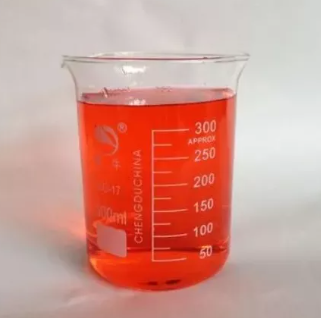
Ever wondered how grease and stubborn contaminants are effortlessly removed from surfaces? A degreaser is the key!
In this post, we’ll explore what a degreaser is and why it’s essential in both industrial and household cleaning. You’ll also learn how to choose the right degreaser for different applications to achieve the best results.
Solvent-based degreasers are powerful cleaning agents that dissolve grease and oil. They typically contain chemicals like acetone or hydrocarbons, which help break down stubborn contaminants. These degreasers are perfect for heavy-duty tasks, such as automotive repairs and cleaning industrial equipment. However, they come with downsides: they are toxic and highly flammable, requiring careful handling and proper ventilation.
Water-based degreasers use water as their main ingredient, often mixed with surfactants or emulsifiers. They are less toxic than solvent-based options, making them ideal for kitchens and light industrial cleaning. These degreasers are gentler on sensitive materials like plastics and rubber. They work well in domestic settings and are better for the environment, as they are biodegradable and contain fewer harmful chemicals.
Natural degreasers are an eco-friendly alternative, using ingredients like citrus oils and vinegar. These products are free from harsh chemicals, making them safer for both users and the planet. They are perfect for household cleaning and smaller tasks but might not be as strong as solvent-based degreasers for heavy-duty jobs. They offer a gentler solution to everyday grease and grime.
Degreasers remove grease and oils through various chemical processes. One key method is emulsification, where the degreaser binds with both oil and water molecules, allowing them to mix. This makes it easier to lift grease off surfaces. Another process, saponification, occurs when degreasers containing alkali chemicals react with oils, turning them into soap-like substances that can be easily wiped away. Solvent action involves dissolving oil and grease at a molecular level, breaking them down for easy removal.
Some degreasers work faster than others because they contain stronger solvents or better emulsifiers, speeding up the breakdown of tough contaminants. The faster they can break down the grease, the less scrubbing is needed.
Degreasers are incredibly effective because they can dissolve grease and oil at a molecular level. This allows them to break the bonds in oily substances, making them easier to remove from surfaces. By using degreasers, you can clean more efficiently, reducing the amount of time and effort spent scrubbing. The chemical action behind degreasers ensures a cleaner surface with less physical labor involved, making them a must-have for heavy-duty cleaning tasks.
Degreasers are essential in auto repair shops because they remove grease and oil from engine parts, machinery, and mechanical components. These products help ensure smooth operation by preventing buildup that could cause overheating or equipment failure. In the automotive sector, heavy-duty solvents are commonly used to tackle tough grease on car engines, parts, and tools, making maintenance and repairs faster and more efficient.
In industrial settings, degreasers play a crucial role in keeping machinery and tools clean. They prevent contamination that could lead to equipment malfunctions or reduce the efficiency of production processes. High-volume operations, such as factories and construction sites, rely on degreasers to remove oils, grease, and other contaminants from machinery, ensuring long-lasting performance and minimizing downtime.
Degreasers are just as important in kitchens, both commercial and household. In food service, they help maintain hygiene by cleaning stoves, countertops, and appliances where grease buildup is common. In households, degreasers ensure that kitchen surfaces are free from oils and grime, making cooking spaces safer and cleaner. For both settings, choosing the right degreaser ensures safety and cleanliness without damaging surfaces.
When choosing a degreaser, it’s important to consider several factors to ensure it fits your needs. Start by checking flammability—some degreasers are highly flammable, while others are non-flammable and safer to use around heat or sparks. Dielectric strength is another key factor, especially if you're cleaning electrical equipment. Choose a degreaser that is compatible with plastic and rubber, as some products may damage these materials. Also, look at the toxicity and environmental impact, considering the presence of harmful chemicals like VOCs (Volatile Organic Compounds) or substances with high GWP (Global Warming Potential).
Reading a degreaser label is crucial for safe and effective use. Look for terms like flammable, biodegradable, and non-toxic. Understanding these terms will help you choose the right product for the job. Also, pay attention to safety guidelines on the label, such as proper handling, ventilation requirements, and protective equipment recommendations. Always check for disposal instructions to ensure you’re disposing of the product safely and in compliance with regulations.
Before using a degreaser on a large scale, it's important to test it on a small, inconspicuous area. This ensures the product won’t damage your surfaces. Whether it’s metals, plastics, or rubber, testing helps you avoid discoloration, cracking, or other damage. If you're unsure, perform a patch test or consult the manufacturer’s recommendations for surface compatibility.
When using a degreaser manually, start by pre-treating any stubborn spots with a cloth or scraper. Apply the degreaser directly to the affected area and allow it to sit for a few minutes to break down the grease. After that, scrub the surface using a brush or cloth to lift off the contaminants. Rinse the surface thoroughly with clean water to remove any residue. Always ensure you’re working in a well-ventilated area and wear protective equipment, such as gloves, goggles, and masks, to avoid exposure to fumes and chemicals.
Degreasers can be used in ultrasonic or vapor systems for more precise and efficient cleaning. Ultrasonic degreasers use high-frequency sound waves to remove contaminants from parts by vibrating them in a degreasing solution. Vapor degreasers submerge parts in boiling solvent vapors for thorough cleaning. These systems are ideal for critical applications like aerospace or medical equipment. While they offer high efficiency and repeatability, they can be expensive and may require specialized training for safe use.
Improper disposal of degreasers can cause serious environmental damage. Always check local regulations for proper disposal methods. Do not pour degreasers down drains or dump them in the trash. Instead, store used degreasers in a sealed container and take them to a hazardous waste facility. For more eco-friendly options, choose biodegradable degreasers, which break down naturally and are less harmful to the environment.
Degreasers can be toxic, depending on the chemicals they contain. Many solvent-based degreasers release harmful fumes that can cause respiratory issues when inhaled. Direct contact can also lead to skin irritation or more severe reactions. To protect yourself, always wear Personal Protective Equipment (PPE) such as gloves, goggles, and a mask. It's essential to work in well-ventilated areas or use degreasers with lower toxicity to minimize health risks.
Degreasers can have significant environmental effects, particularly if they contain volatile organic compounds (VOCs) or non-biodegradable solvents. These chemicals contribute to air pollution and can contaminate water sources. Choosing biodegradable and eco-friendly degreasers helps reduce environmental harm. These options break down naturally, making them safer for both users and the planet.
When selecting, using, and disposing of degreasers, always consider their toxicity, effectiveness, and environmental impact. Choose the right degreaser for each application to ensure both safety and efficiency. Proper handling and disposal are crucial for protecting your health and the environment.
A: Degreasers are used in automotive, manufacturing, food service, and household settings to remove grease, oils, and contaminants from machinery, equipment, and surfaces.
A: Apply the degreaser to the greasy area, let it sit briefly, then scrub and rinse off the grease with water.
A: Degreasers remove oils and grease, while contact cleaners are specifically designed to clean electrical contacts and sensitive electronic components.
A: Yes, but ensure you choose a degreaser with high dielectric strength and avoid flammable options.
A: Test the degreaser on a small, inconspicuous area first, or check for compatibility in the manufacturer’s instructions.

