
Views: 0 Author: Site Editor Publish Time: 2025-08-17 Origin: Site


What exactly is gasoline, and why is it so crucial to our daily lives? From fueling our cars to powering industries, gasoline is deeply ingrained in modern society. However, few people know how gasoline is made and what goes into its production.
In this article, we'll explore the production process of gasoline, from crude oil to the fuel we use every day. You'll also discover the benefits of gasoline and its various uses in different sectors.
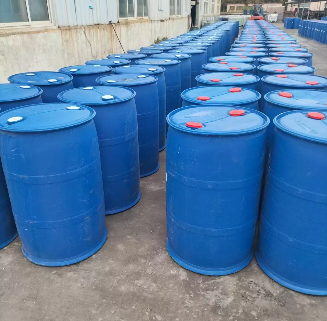
Gasoline is made of various compounds, primarily hydrocarbons. It’s mainly composed of aliphatic hydrocarbons, which are molecules consisting of carbon and hydrogen atoms. These hydrocarbons make gasoline highly efficient and ideal for combustion in engines.
Gasoline is a mixture of several types of hydrocarbons. The most common are aliphatic hydrocarbons, which include molecules with chains of carbon atoms bonded to hydrogen atoms. These molecules are light and easy to burn, making gasoline an effective fuel for engines.
The combination of carbon and hydrogen gives gasoline its energy-dense properties. When gasoline burns, carbon atoms bond with oxygen in the air to produce carbon dioxide and energy, while hydrogen combines with oxygen to form water. This process releases heat, which powers engines.
Gasoline is highly volatile, meaning it evaporates quickly and can ignite at relatively low temperatures. This volatility is one reason gasoline is so effective in engines—it easily mixes with air to create a combustible mixture.
When gasoline vaporizes, it forms a flammable mixture with air. This vapor can ignite when it meets a spark, such as from a spark plug in a car engine. This ignition is controlled to provide power for vehicles and machinery, making gasoline an essential fuel for modern transportation and industry.
Gasoline production involves multiple stages, starting with crude oil and ending with the gasoline we use in vehicles. Here’s a breakdown of how it’s made.
The first step in gasoline production is fractional distillation. This process involves heating crude oil to separate it into different components based on their boiling points. As the oil heats up, lighter hydrocarbons like gasoline rise to the top of the distillation column, while heavier ones stay lower.
Distillation helps break crude oil into useful products, including gasoline, diesel, and kerosene. It’s the foundation for creating the various petroleum products we rely on.
After distillation, the gasoline is still not ready for use. To enhance its quality, it goes through a process called cracking. Cracking breaks larger hydrocarbons into smaller, more useful ones. This step boosts the octane rating, which is essential for the engine performance of vehicles.
Without cracking, gasoline would have lower octane, which means it could cause knocking in engines, reducing efficiency and potentially damaging them.
Next, gasoline undergoes catalytic reforming. This process uses catalysts to restructure hydrocarbons, increasing the octane rating even more. The higher the octane, the less likely the gasoline will cause knocking, making it ideal for high-performance engines.
Reforming improves gasoline’s performance, ensuring that it burns more efficiently in the engine, giving better fuel economy and less wear on engine parts.
Finally, blending is the last step where various components are mixed to create the final gasoline product. This process involves adding additives like ethanol and MTBE to meet fuel specifications.
Different regions and seasons require different gasoline formulations. For example, winter gasoline is often more volatile to ensure easy starts in cold weather, while summer formulations are designed to reduce evaporative emissions.
Blending ensures that gasoline meets the needs of different climates and vehicle types, optimizing its performance and environmental impact.
Gasoline is a complex mixture of hydrocarbons, and its performance depends on the specific chemicals it contains. Here’s a closer look at the key components.
Aromatic hydrocarbons, like toluene and benzene, are common in gasoline. These chemicals help improve the octane rating of the fuel. A higher octane rating means better resistance to engine knocking.
Toluene and benzene are added to boost the fuel’s efficiency. These compounds help prevent premature combustion in engines, ensuring smoother performance and longer engine life.
Oxygenated gasoline contains oxygenates, like MTBE (Methyl Tertiary Butyl Ether) and ethanol. These chemicals help gasoline burn more completely, reducing harmful emissions.
Ethanol, often derived from plants, is commonly added to gasoline. It helps to reduce carbon monoxide and hydrocarbons in vehicle emissions, making it a more environmentally friendly option.
Gasoline often includes additives, like detergents, which clean the engine’s fuel system. These chemicals help remove carbon deposits that could affect performance.
Additives also improve the fuel's stability, preventing it from degrading too quickly. This ensures that gasoline remains effective, even after being stored for a period.
Gasoline comes in various grades and types, designed for different vehicle needs and environmental conditions. Let’s break down the most common grades and how they vary.
Gasoline is typically sold in three main grades: regular, midgrade, and premium. The difference lies in the octane rating, which measures a fuel’s ability to resist knocking in the engine.
Regular gasoline typically has an octane rating of 87.
Midgrade gasoline has a rating of about 89.
Premium gasoline has the highest octane rating, usually around 91-94.
The higher the octane rating, the better the fuel can withstand compression in high-performance engines, preventing knocking and ensuring smoother operation.
Gasoline formulations can change based on the season and region to meet specific air quality regulations.
Summer gasoline: Often has a lower volatility to reduce emissions that occur when the temperature rises.
Winter gasoline: More volatile, helping engines start easily in cold temperatures.
Regions also have different regulations to reduce pollutants like carbon monoxide and smog. Gasoline sold in certain areas, like those with high air pollution, may include additional oxygenates like ethanol to help reduce emissions.
The choice of gasoline grade can significantly affect your engine's efficiency. Engines with higher compression ratios, like those in sports or luxury cars, require higher-octane gasoline to prevent knocking.
Using regular gasoline in an engine designed for premium fuel could lead to knocking, reducing engine efficiency and performance. Always follow the manufacturer’s recommendation for the best fuel for your vehicle.
Gasoline plays a crucial role in various sectors of modern society. From powering vehicles to being used in industrial applications, its versatility is unmatched.
Gasoline powers a wide range of vehicles, including cars, trucks, motorcycles, and even some boats. It works by igniting in the engine's cylinders, creating a controlled explosion that generates power.
Gasoline-powered engines are known for their efficiency and high energy density. They provide quick starts and long driving ranges, which are major advantages over electric or diesel engines in certain contexts.
In aviation, gasoline is used in light aircraft with piston engines. These engines rely on aviation gasoline, which has a higher octane rating than standard automotive gasoline, ensuring smoother operation at higher altitudes.
Beyond transportation, gasoline has several industrial uses. It’s a solvent, helping to clean machinery and remove oils or grease from surfaces. Gasoline is also used in electric generators, providing power in areas where electricity may not be readily available.
In agriculture, gasoline fuels tractors and other farm machinery, ensuring efficient operation in fields and on farms worldwide.
While gasoline is a key part of modern life, its use and production have significant environmental and health effects.
Gasoline contributes to carbon emissions, which play a major role in global warming. When burned in vehicles, it releases carbon dioxide into the atmosphere, increasing greenhouse gases and accelerating climate change.
The process of extracting and refining oil also impacts ecosystems. Oil spills and habitat destruction during extraction harm wildlife. Refining processes can lead to air and water pollution, affecting local environments.
Vehicle emissions from gasoline are linked to various health problems. Breathing in pollutants like carbon monoxide, nitrogen oxides, and particulate matter can cause asthma, heart disease, and even cancer.
Benzene, a chemical found in gasoline, is a known carcinogen. Reducing these harmful emissions is critical to improving public health and air quality.
Renewable energy sources, like solar and wind power, provide cleaner alternatives to gasoline. Electric vehicles (EVs) are gaining popularity as they produce no emissions during operation, making them a more sustainable choice for the future.
As awareness of environmental issues grows, the future of gasoline is uncertain. The shift towards cleaner energy and technologies could reduce our dependence on gasoline in a carbon-conscious world.
Gasoline plays a vital role in powering vehicles and industries globally. While it offers high energy efficiency, its environmental impact cannot be ignored. The emissions from gasoline contribute to global warming and health risks.
As we move toward cleaner energy sources like electric vehicles and renewable power, the future of gasoline is uncertain. However, it will remain important until sustainable alternatives become more widespread and practical.
At our company, we offer a range of high-quality, eco-friendly solutions for energy and transportation needs. Explore our products for a cleaner, more sustainable future. For more information, please contact us.
A: Gasoline is primarily composed of aliphatic hydrocarbons, which are molecules made of carbon and hydrogen atoms. These hydrocarbons are essential for its combustion properties and energy release in engines.
A: Gasoline is flammable due to its volatile nature. It evaporates easily, creating a combustible mixture when combined with air. This volatility allows it to ignite with a spark, powering vehicle engines.
A: Gasoline is produced through a series of processes, starting with crude oil distillation, followed by cracking, reforming, and blending. These steps help refine crude oil into high-octane gasoline suitable for use in vehicles and engines.

