


What is a degreaser, and why should you care? These powerful cleaning agents are vital in various industries, from automotive to aerospace. Without them, machinery would struggle with oil, grease, and grime build-up.
In this article, we’ll explore what degreasers are, why they’re essential, and the different types available. You’ll learn how they work, where they’re used, and how to choose the right one.
A degreaser is a cleaning agent designed to remove oils, grease, and other contaminants. These substances are common in industries like automotive, manufacturing, and aerospace. Degreasers tackle various types of contamination, such as grease, oil, carbon, tar, and more.
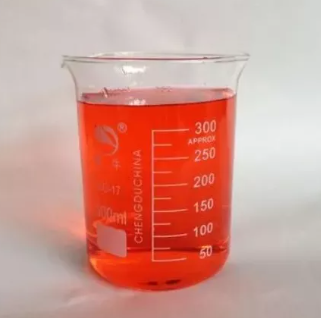
Degreasers work in different ways to break down tough residues:
Emulsification
This process reduces the surface tension of oils, allowing them to mix with water.
Saponification
In this chemical reaction, oils turn into soap-like substances, making them easier to remove.
Solvent Action
The solvent molecules break down oils and greases at a molecular level, loosening them from surfaces.
Each of these methods helps degreasers efficiently clean machinery and other equipment, ensuring better performance and safety.
Solvent-based degreasers are known for their high solvency and fast action. They are ideal for heavy-duty industrial cleaning tasks, such as cleaning machinery or automotive engines. However, safety is a key consideration, as these degreasers are often flammable. Proper handling and ventilation are necessary to ensure safe use.
Water-based degreasers are more environmentally friendly and safer to use compared to solvent-based ones. They are great for lighter cleaning tasks, such as kitchen cleaning or light industrial use. These degreasers are nonflammable, have reduced toxicity, and are easier to handle, making them a popular choice for many everyday cleaning jobs.
Natural degreasers use plant-based ingredients, like citrus oil or vinegar. These eco-friendly options are best suited for light-duty cleaning, especially in home kitchens. While they are gentle on surfaces, they may not be as effective as solvent-based degreasers for heavy industrial tasks.
Heavy Machinery
Degreasers play a vital role in maintaining heavy machinery in industrial settings. By removing grease and oil, they help prevent the buildup of dirt, which could lead to corrosion or friction between machine parts. This process reduces wear and tear, enhances efficiency, and extends the machinery’s life. Without proper cleaning, the components can suffer from malfunctions or even breakdowns, leading to costly repairs or downtime. Degreasers make it easier to ensure that equipment operates smoothly and reliably over time.
Automotive Industry
In the automotive industry, degreasers are essential for cleaning engine parts, tires, and other components that accumulate oil and grime. These substances can impair the performance of engines and other machinery, making regular cleaning necessary. Degreasers effectively remove tough contaminants like grease, oil, and soot, ensuring that engine components function efficiently. They also help in preventing dangerous malfunctions caused by buildup in mechanical parts, thereby enhancing both the safety and performance of vehicles.
Aerospace and Electronics
In high-precision industries like aerospace, cleanliness is not just important – it’s critical. Aerospace components, such as engines, parts of aircraft, and sensitive electronics, require thorough cleaning to avoid any malfunction due to contamination. In these industries, degreasers help to remove even the most minute grease or debris, which could cause significant issues. For electronics, especially in delicate circuit boards or components, using the right degreaser ensures no harm comes to the sensitive materials while cleaning effectively. A clean part ensures the integrity and performance of high-tech equipment, which is crucial for safety and reliability.
Kitchens and Food Processing
Degreasers are commonly used in household kitchens and food processing facilities to maintain cleanliness and hygiene. These environments can quickly become greasy, with oils and fats from cooking accumulating on surfaces like countertops, ovens, and stoves. Degreasers efficiently break down grease, ensuring these surfaces are free of contaminants and safe for food preparation. Additionally, using degreasers in these settings helps prevent the growth of bacteria and mold, which thrive in greasy and unhygienic environments. For food safety, it’s essential that these surfaces are cleaned regularly with a degreaser that removes grease without leaving harmful residues behind.
Cleaning Adhesives and Labels
In commercial and industrial settings, degreasers are often used to remove sticky residues left by adhesives or labels. This is especially helpful in environments where items are frequently re-labeled, repurposed, or repackaged. Adhesive residues can make surfaces sticky and difficult to clean, and they can even cause issues when applying new labels or coatings. Degreasers that are designed to target adhesives dissolve these substances without damaging the underlying surface. They are commonly used in warehouses, production lines, and packaging areas to keep equipment clean and efficient.
Flammable vs. Nonflammable Degreasers
The flammability of degreasers is an important consideration when choosing the right product for any job. Flammable degreasers contain solvents that are highly combustible and can pose a significant fire risk if used inappropriately. If working in environments where there is exposure to open flames, sparks, or high temperatures, it’s crucial to ensure proper ventilation when using these products. On the other hand, nonflammable degreasers offer a safer option, especially in industrial workplaces where fire hazards are prevalent. Nonflammable options reduce the risk of accidental fires and provide peace of mind in high-risk environments.
Impact on plastics and rubber seals
Not all degreasers are safe for all surfaces, particularly sensitive materials like plastics and rubber seals. Some degreasers, especially solvent-based ones, can cause plastics to crack, soften, or become brittle over time. Rubber seals may shrink or swell, which can affect the effectiveness of gaskets and seals. To avoid this, it’s essential to choose degreasers that are compatible with the materials being cleaned. Always test a small, inconspicuous area before using a new degreaser on sensitive surfaces to ensure it won’t cause damage. This will help prevent costly repairs or replacements of parts damaged by inappropriate cleaning products.
Biodegradable degreasers are a key consideration for businesses and individuals concerned about the environmental impact of their cleaning processes. Traditional degreasers, especially solvent-based ones, often contain harmful chemicals that can harm ecosystems when disposed of improperly. In contrast, biodegradable options break down naturally without leaving harmful residues behind, making them a more sustainable choice. Additionally, many biodegradable degreasers are effective at removing grease and oils without relying on harsh chemicals, which makes them suitable for food processing and other environments where safety and environmental impact are key considerations.
Regulatory Guidelines
Degreasers are subject to various regulatory guidelines regarding their composition and use. These regulations often focus on the amount of VOCs (Volatile Organic Compounds) in the product, as VOCs contribute to smog and other environmental pollutants. Moreover, some degreasers contain compounds that have a high Global Warming Potential (GWP), which can further exacerbate climate change. When choosing a degreaser, it's essential to check for regulatory certifications or approvals, such as those from the Environmental Protection Agency (EPA) or local environmental agencies. These guidelines ensure that the degreaser is safe for both the user and the environment.
Type of contamination
Identify what you're cleaning. Whether it's oil, grease, or carbon, different degreasers work best for different types of contaminants. Choose one that suits your specific cleaning needs.
Surface compatibility
Not all degreasers work well on every surface. Some are tough on grease but can damage plastics or rubber seals. Always check the degreaser’s compatibility with your materials.
Application method
Think about how you plan to clean. Manual cleaning might require a spray or wipe, while automated systems may need degreasers suitable for immersion or spray washers.
Safety is key. Store degreasers properly, handle them carefully, and wear PPE (Personal Protective Equipment) to avoid exposure.
Choose degreasers with lower toxicity and environmental impact. Opt for biodegradable options and consider those that meet safety regulations to protect both you and the environment.
Manual Degreasing
For smaller tasks, manual degreasing is effective. You can use aerosol cans, trigger sprays, or immersion techniques to apply the degreaser to the surface.
Automated Degreasing
For large-scale operations, automated systems like ultrasonic or vapor degreasing are more efficient. These systems help ensure consistency and thorough cleaning, especially for delicate parts.
Pre-cleaning is important to remove loose dirt and debris. This prepares the surface for more effective degreasing.
Follow dilution ratios and application instructions carefully. Using the right concentration ensures you get the best cleaning results.
Always rinse the surface thoroughly to remove any residual chemicals. This prevents contamination and keeps surfaces safe for use.
Degreasers are essential in both industrial and commercial settings, helping maintain equipment and ensure safety by removing grease and contaminants. Choosing the right degreaser based on your needs and safety requirements is key. With growing environmental concerns, eco-friendly, biodegradable options are becoming more popular. Select degreasers that meet safety standards and suit your tasks.
At our factory, we offer high-quality, eco-friendly degreasers for various industries. Contact us for the perfect solution tailored to your business needs!
A: Degreasers remove oils, grease, and contaminants from various surfaces. Contact cleaners specifically clean electrical contacts and components.
A: Some degreasers may damage sensitive materials like plastics or rubber seals. Always test a small area before use.
A: Yes, there are non-toxic, biodegradable degreasers designed to reduce environmental and health risks.
A: Always follow safety guidelines, use appropriate PPE, and ensure proper ventilation when using degreasers.

