


Have you ever wondered how soap creates lather or why shampoos foam? These actions are powered by foaming agents. Foaming agents, such as surfactants, play a key role in creating and stabilizing foam. They are essential in industries like cleaning, cosmetics, and food processing.
In this post, you’ll learn what foaming agents are, how they work, and why they’re crucial in everyday products.
Foaming agents are typically made of surfactants and blowing agents. Surfactants are chemicals that lower the surface tension of liquids, allowing bubbles to form easily. Blowing agents are gases that help create foam through physical or chemical reactions.
Surfactants come in different types: anionic, cationic, nonionic, and amphoteric. Each type has a unique way of interacting with water, oils, or other substances. For example, anionic surfactants, like Sodium Lauryl Sulfate (SLS), are commonly used in soaps and shampoos. They help remove dirt while creating foam.
Blowing agents, on the other hand, create foam by releasing gas during chemical reactions. Gases like carbon dioxide or pentane can also form foam when introduced into a liquid.
Surfactants reduce surface tension, which makes it easier for air to be trapped in liquid, forming bubbles. When these bubbles gather together, they stabilize, creating foam.
For example, Sodium Lauryl Sulfate (SLS) is a common surfactant in many personal care products. It helps create that satisfying lather in shampoos, body washes, and even toothpaste. It reduces the surface tension of the liquid, allowing it to mix well with water and oils, creating a rich, bubbly foam.
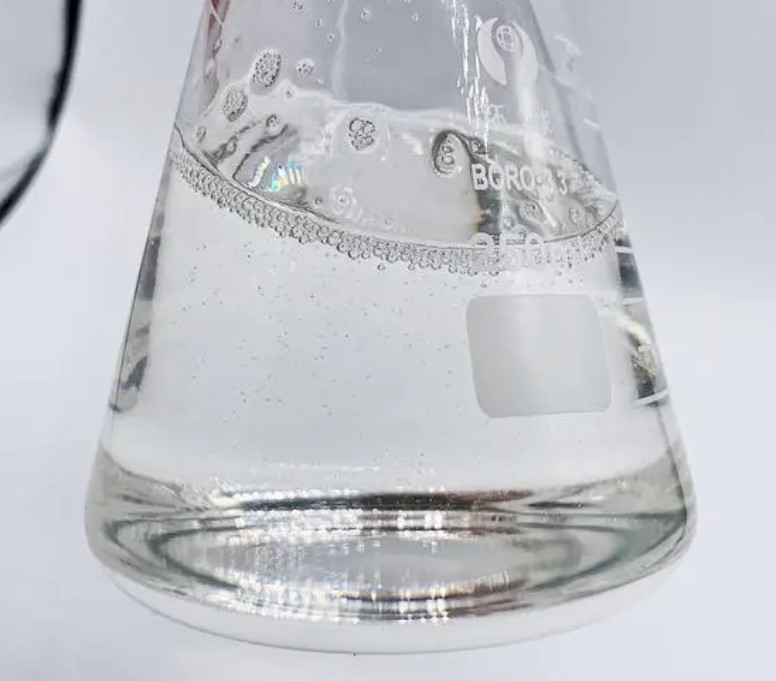
There are two main categories of foaming agents: primary and secondary agents.
Primary agents are responsible for creating foam. These include surfactants like Sodium Lauryl Ether Sulfate (SLES) and Sodium Lauryl Sulfate (SLS), commonly used in soaps and shampoos. They are effective in producing the foam's initial formation.
Secondary agents enhance the foam’s quality, adding stability and improving its texture. Ingredients like cocamide and cocamidopropyl betaine fall into this category. They don't form foam on their own but help improve its consistency and feel.
Blowing agents differ from surfactants in that they create foam by releasing gas. There are two main types:
Chemical blowing agents release gas through chemical reactions, like azodicarbonamide.
Physical blowing agents release gas when subjected to heat, such as carbon dioxide or pentane.
Unlike surfactants, which reduce surface tension to trap air, blowing agents provide the gas that expands to form foam.
High Temperature Foaming Agents are specialized agents that function at elevated temperatures. They are particularly useful in industries where foam formation occurs during high-heat processes, such as in plastics manufacturing or insulation foam production.
Effective foaming agents have specific characteristics that make them work well in products:
Foam stability: Colloidal stability is essential. It ensures that bubbles don’t merge easily and that foam lasts longer.
Resistance to coalescence: The ability to prevent bubbles from merging, maintaining a stable foam structure.
Improved sensory experience: Foaming agents contribute to the product’s feel, enhancing texture and performance. A good foaming agent makes the product feel smoother, richer, and more luxurious.
Foaming agents are found in many everyday products across various industries.
Personal Care Products:
Foaming agents are essential in shampoos, body washes, and toothpaste. They help create lather, making cleaning more effective and enjoyable. Common surfactants used in personal care include SLES (Sodium Lauryl Ether Sulfate) and Cocamidopropyl Betaine.
Cleaning and Industrial Products:
In cleaning products, foaming agents help remove dirt and grease. They’re also used in industrial settings for tasks like wastewater treatment and oil recovery. By controlling foam, they ensure smoother operations in machines and other processes.
Food Industry:
Foaming agents play a crucial role in creating the fluffy texture of food products like whipped cream, mousse, and ice cream. Specific foaming agents are approved for food use, ensuring both safety and effectiveness in food processing.
Pharmaceuticals and Cosmetics:
Foaming agents help produce stable foam in creams, lotions, and medicines. This foam helps with the even application of these products and enhances their sensory experience.
Many traditional foaming agents can have a significant environmental impact. Concerns over their degradation and the effect on aquatic life have led to increased demand for eco-friendly options.
Eco-friendly alternatives such as biodegradable surfactants are being developed to reduce harm to ecosystems. These agents break down more easily, reducing pollution.
However, synthetic foaming agents still raise concerns. Some non-biodegradable options can linger in the environment, contributing to pollution in water systems.
Foaming agents are generally safe when used correctly, but there are health risks with excessive exposure.
Health risks:
High dosages of foaming agents can cause gastrointestinal issues or skin irritation. Ingesting large amounts may lead to discomfort, while prolonged skin contact could cause rashes or irritation.
Regulatory standards for foaming agents in drinking water:
To ensure safety, foaming agents are tested in water systems. The MBAS (Methylene Blue Active Substances) test is used to detect surfactants in water. The secondary drinking water standard limits foaming agents to 0.5 mg/L to prevent undesirable effects.
Foaming agents in consumer products must meet specific safety guidelines to minimize health risks.
Secondary drinking water standards limit foaming agents to 0.5 mg/L to avoid health problems in drinking water.
Safety guidelines for personal care products:
Personal care products must comply with safety standards, ensuring minimal skin irritation and dermal toxicity. This is crucial for products like soaps, shampoos, and lotions, which come into direct contact with skin.
In industrial settings, extra precautions are needed to protect workers from high concentrations of foaming agents.
Precautions:
Workers should wear protective gear, including gloves, goggles, and masks, to avoid skin contact and inhalation of surfactants.
Protective measures:
Using ventilation systems and following safety data sheets (SDS) ensures that workers are not exposed to harmful levels of foaming agents.
The future of foaming agents looks promising, with new innovations shaping the industry.
Biodegradable and sustainable foaming agents:
As environmental concerns grow, there’s a shift towards foaming agents that break down quickly and safely. These eco-friendly alternatives help reduce pollution and are becoming more common in personal care and cleaning products.
Natural surfactants in personal care and cleaning industries:
Consumers are increasingly interested in natural ingredients. This trend is driving the adoption of plant-based surfactants in shampoos, soaps, and cleaning products. These natural foaming agents provide a safer, more sustainable option compared to traditional synthetic ones.
Foaming agents in emerging technologies:
Foaming agents are playing an important role in new fields, like medical applications. They’re used in foam-based wound dressings, which promote healing, and in eco-friendly products designed to minimize environmental impact. These innovations suggest that foaming agents will continue to have a broad range of applications.
Foaming agents are essential in industries like personal care and cleaning, helping create foam and enhance product performance. While they offer numerous benefits, environmental and safety concerns persist. Explore how foaming agents affect your daily products and consider eco-friendly alternatives for a more sustainable future.
A: Foaming agents are made of surfactants and blowing agents. Surfactants reduce surface tension to help form bubbles, while blowing agents create foam by releasing gas through physical or chemical reactions.
A: Surfactants reduce surface tension, allowing air to be trapped in liquid, forming bubbles that gather and stabilize into foam. Blowing agents release gases to expand foam, differing from surfactants in their method.
A: Foaming agents are used in personal care products like shampoo, cleaning products, food items like whipped cream, and in pharmaceuticals for stable foam production.

