
Views: 0 Author: Site Editor Publish Time: 2025-08-14 Origin: Site


Ever wondered how everyday products like medicines, cosmetics, or cleaning agents are made? Chemical formulations are at the heart of these creations. These mixtures combine various substances to create effective products across industries like pharmaceuticals, agriculture, and food.
In this article, we’ll explore what chemical formulations are, how they differ from pure compounds, and their vital role in different sectors. You’ll also learn about the importance of foaming agents and degreasers in industrial formulations.
A chemical formulation is made up of various ingredients, each playing a unique role. Let's break down the key components:
Active Ingredients: These are the main substances responsible for the product's effect. For example, in medications, the active pharmaceutical ingredient (API) is what treats the condition.
Excipients: These are inactive substances that support the active ingredients. Excipients include binders, preservatives, and fillers, which help ensure the product's stability and usability.
Carriers and Solvents: These ingredients are essential for delivering the active ingredients effectively. They help dissolve or suspend the active components so they can be absorbed or applied as needed.
Preservatives and Stabilizers: These ingredients help prolong the shelf life of a product by preventing microbial growth and minimizing degradation over time.
Additives: Additives, such as colorants, fragrances, and thickeners, enhance the product's appearance, texture, or scent, improving user experience.
Foaming Agents: Found mainly in cleaning products, foaming agents reduce surface tension, creating foam that enhances cleaning efficiency.
Degreasers: These are chemical formulations specifically designed to remove grease, oil, and dirt, making them essential for industrial and commercial cleaning.
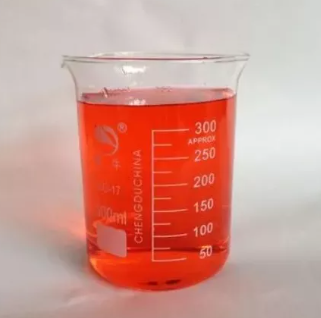
Chemical formulations come in different forms, each suited for specific uses:
Liquid Formulations: These contain solvents that dissolve or suspend the ingredients. Examples include syrups and paints.
Solid Formulations: Typically used in tablets, powders, and granules, these formulations are easy to transport and stable.
Semi-Solid Formulations: These include creams, gels, and ointments. They’re common in cosmetics and pharmaceuticals, providing controlled application.
Foaming Formulations: Designed to produce foam, these formulations are used in cleaning agents and personal care products, offering enhanced functionality for washing or cleaning.
Pure Compounds: A pure compound consists of a single substance, like water (H₂O) or salt (NaCl), with a fixed molecular structure. These compounds have consistent properties and are not mixed with other substances.
Chemical Formulations: In contrast, chemical formulations are mixtures of various substances. The proportions of each component can vary depending on the desired result. For example, in cleaning products, the mix of surfactants, preservatives, and other ingredients can change to achieve different cleaning effects.
Household Products: Everyday items like detergents and cleaners contain chemical formulations. These products often include foaming agents and degreasers to clean effectively.
Pharmaceutical Products: Tablets, ointments, and syrups are all chemical formulations. They combine active ingredients with excipients to ensure proper delivery and stability.
Agricultural Formulations: Products such as pesticides and fertilizers are formulated to target specific crops or pests. Their composition ensures they work effectively in farming and crop management.
Chemical formulations are crucial across multiple industries. Here's how they impact each one:
Pharmaceutical Industry: Formulations are key to delivering medications effectively. They ensure proper dosage and enhance bioavailability, allowing drugs to work as intended in the body.
Cosmetics Industry: In skincare, hair care, and personal care products, formulations ensure safety and effectiveness. They combine active ingredients to moisturize, protect, or clean, while offering a pleasant experience.
Agriculture: Pesticides, herbicides, and fertilizers are designed through chemical formulations. These help protect crops, boost yield, and minimize environmental impact.
Food and Beverage: Chemical formulations help preserve freshness, enhance flavor, and improve texture. They ensure products remain safe and appealing to consumers.
Cleaning and Industrial Applications: Cleaning products often rely on formulations with foaming agents and degreasers. These help improve cleaning power, making surfaces spotless and grease-free.
Chemical formulations ensure that products function as they should. They guarantee safety, stability, and performance throughout the product's life cycle. The precise combination of ingredients helps maintain a product's consistency and quality.
Formulation chemistry is critical in meeting regulatory standards. It ensures products comply with safety guidelines and pass quality control tests. Without proper formulations, products might fail or cause harm.
For a chemical formulation to work, active ingredients need to dissolve properly. Solvents are used to help ingredients dissolve or suspend. Formulators ensure all ingredients work together by testing compatibility. They check that none of the components will react negatively or reduce the product's effectiveness.
Preservatives and stabilizers are added to prevent products from degrading. They help products stay effective for longer periods. Formulation chemists perform accelerated aging tests to simulate how products will react over time. This ensures products maintain their stability under different conditions.
Viscosity modifiers control the thickness of a product, such as creams, lotions, or paints. By adjusting viscosity, formulators make sure the product is easy to apply and performs well. This is especially important for foaming formulations in cleaning or personal care products.
In pharmaceuticals, the way a drug is absorbed can affect its effectiveness. Formulations enhance drug bioavailability, ensuring better absorption in the body. Some formulations are designed for controlled release, allowing drugs to work gradually over time, improving therapeutic outcomes.
Nanotechnology is transforming chemical formulations. By using nanoparticles, formulators improve drug delivery systems, making them more effective. These tiny particles enhance stability, allowing medications to work faster and more efficiently.
There’s a growing push towards using biodegradable and eco-friendly ingredients in formulations. Green chemistry focuses on reducing the environmental impact of products. Innovations like plant-based solvents and natural preservatives are gaining popularity.
3D printing is opening new doors in formulation chemistry. It allows for personalized medicine and customized beauty products. With 3D printing, it's possible to create precise dosages and tailor formulations to individual needs, offering better treatment options.
AI and machine learning are speeding up the development of chemical formulations. These technologies analyze vast amounts of data to predict which ingredient combinations will work best. This helps formulators optimize products faster and more accurately.
Formulation chemists are the experts who design, test, and refine chemical formulations. They start by creating prototypes, mixing ingredients to achieve the desired effect. Then, they perform tests to ensure the formulations meet safety and quality standards. Chemists work with both active and inactive ingredients, ensuring compatibility and stability.
The process begins with an idea. Once the goals are set, chemists move to the prototype stage. They mix ingredients and test the initial batch. If it works as intended, they scale up the process to produce larger quantities. Along the way, chemists face challenges, like ingredient compatibility or stability concerns. They solve these problems through careful testing and adjustments.
Household products like cleaning agents, detergents, and personal care items are all chemical formulations. They often contain foaming agents to improve cleaning efficiency and degreasers to remove grease and dirt. These formulations are carefully crafted to ensure effectiveness while remaining safe for everyday use.
Pharmaceutical products, such as tablets, injections, creams, and ointments, are chemical formulations designed for specific health needs. They combine active ingredients with excipients to deliver the right dose and ensure stability and effectiveness over time.
In agriculture, chemical formulations like fertilizers, herbicides, and pesticides are essential for crop protection and growth. These formulations are designed to target specific pests or provide nutrients, improving crop yields and reducing the need for harmful chemical use.
Chemical formulations are essential in everyday products and various industries, from pharmaceuticals to agriculture. Innovation in formulation chemistry continues to improve product effectiveness, safety, and sustainability. Foaming agents and degreasers, crucial in cleaning products, also play an important role across many other sectors. As formulation science advances, it will keep shaping the products we use daily.
A: A chemical formulation is a carefully mixed blend of ingredients, designed to produce a product with specific properties. It includes active ingredients and other substances like excipients, solvents, and preservatives.
A: Foaming agents help cleaning products to create foam, improving their ability to lift dirt and grease. This makes cleaning more efficient and effective, particularly in products like detergents and soaps.
A: Chemical formulations ensure product safety by controlling ingredient interactions, stability, and shelf life. They help meet regulatory standards and prevent harmful reactions, ensuring products are safe for consumers.

