


Did you know that surfactants are key ingredients in many household products? From cleaning detergents to personal care items, these molecules play a crucial role in making products effective.
In this post, we’ll explore what surfactants do, their role in reducing surface tension, and how they are used in various industries. You’ll also learn how they work and why they are essential in everyday life.
Surfactants, or surface-active agents, are chemicals that reduce surface tension between substances. This allows them to interact with both water and oil, making them essential in many products we use daily.
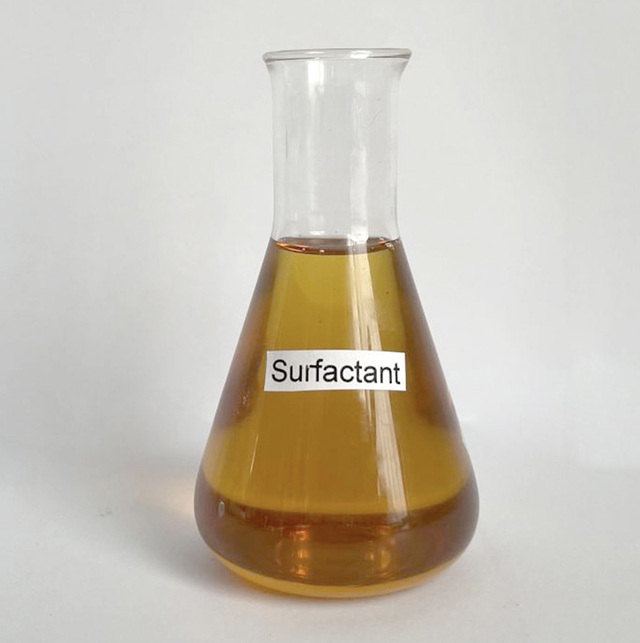
The Basic Chemistry of Surfactants
A surfactant has a unique structure with two parts: a hydrophilic (water-loving) head and a hydrophobic (water-hating) tail. This structure helps surfactants bind to both oil and water, making them effective at removing dirt, grease, and oils from surfaces.
Hydrophilic head: Attracts water.
Hydrophobic tail: Attracts oils and grease.
This dual nature lets surfactants clean surfaces by breaking the bond between oils and water, allowing them to mix and be removed.
Types of Surfactants
There are four main types of surfactants, each with distinct properties and uses:
Anionic: These have a negative charge and are great at lifting dirt. They are often used in soaps and detergents.
Cationic: Positive charge. These surfactants work well in fabric softeners and disinfectants, as they also have antimicrobial properties.
Nonionic: No charge. They are mild, making them suitable for skin-care products and mild cleansers.
Amphoteric (Zwitterionic): These can act like anionic or cationic surfactants depending on the pH of their environment, making them versatile for personal care products.
The Role of Micelles in Surfactant Action
Surfactants work by forming micelles—tiny clusters of molecules that trap oils, dirt, and grease. The hydrophobic (water-hating) tails of the surfactants surround the dirt and grease, while the hydrophilic (water-loving) heads point outward toward the water. This structure helps surfactants lift away the dirt, making it easier to wash it off.
When you wash your hands with soap, the surfactants form micelles that surround the grease and dirt. These micelles then mix with water, allowing you to rinse them away.
The Process of Emulsification
Surfactants also help mix substances like oil and water, which usually don’t blend. This process is called emulsification. Surfactants act as a bridge, allowing these two liquids to combine and form a stable mixture.
Common examples of emulsification in everyday products include salad dressing, where oil and vinegar mix smoothly, and cosmetics like moisturizers, where oil and water stay combined. Without surfactants, these mixtures would separate into layers, making them unusable.
In Cleaning Products
Surfactants play a crucial role in cleaning products. They break down grease and grime, making it easier to wash them away. In soaps, detergents, and degreasers, surfactants help lift dirt from surfaces, allowing water to carry it off. Without surfactants, cleaning would be much harder.
In Personal Care
Surfactants are essential in shampoos, body washes, and facial cleansers. They help create foam, which spreads the product evenly across your skin or hair. Surfactants also help remove oils and impurities, leaving your skin feeling clean and fresh.
In Industrial Applications
Surfactants are used in industries for tasks like metal cleaning, oil spill dispersants, and even in agriculture. In metal cleaning, they help remove oils and dirt from machinery. For oil spills, surfactants break down the oil, helping it disperse more easily in water.
In Pharmaceuticals
Surfactants are important in pharmaceuticals. They improve the solubility and absorption of drugs, ensuring the body can effectively use the medicine. This makes surfactants essential in drug formulations, particularly for medications that need to dissolve in water.
Surfactants in Household Products
Surfactants are key ingredients in many household cleaners. They are used in dishwashing liquids, laundry detergents, and all-purpose cleaners to break down grease and dirt. By lowering surface tension, surfactants help water spread easily, removing stubborn stains and grime.
Surfactants in Industrial Cleaners
In industrial settings, surfactants are used in heavy-duty cleaners for automotive, factory, and machinery applications. These surfactants help remove oils, grease, and dirt from machines and equipment, making them run smoothly. They are also essential in cleaning large-scale manufacturing tools and surfaces.
Surfactants in Beauty and Cosmetics
Surfactants play an important role in skin and hair care products. In moisturizers and conditioners, they help to emulsify and stabilize the product. Surfactants also aid in foaming, allowing shampoos and body washes to spread evenly and cleanse effectively, removing dirt and excess oils from the skin and hair.
Biodegradability and Environmental Impact
Some surfactants do not break down easily in the environment, leading to concerns about their long-term effects on ecosystems. Non-biodegradable surfactants can accumulate in water, harming aquatic life and disrupting natural habitats. This has raised concerns about their use in household and industrial products.
Green Surfactants and Sustainability
To address environmental issues, there has been a shift towards green surfactants. These biodegradable and renewable alternatives are often derived from plant-based sources like coconut oil. Green surfactants break down more easily and are less harmful to ecosystems, promoting sustainability in various industries.
Surfactants and Human Health
Certain surfactants may cause irritation to the skin, eyes, or respiratory system, especially when used in high concentrations. Regulatory agencies ensure surfactants are safe by setting strict limits on their use in consumer products. Manufacturers must comply with safety standards to minimize potential risks to human health.
Sustainable Surfactants
As the world becomes more eco-conscious, the demand for sustainable surfactants is increasing. These surfactants are biodegradable and less harmful to the environment. Manufacturers are moving away from harsh, non-biodegradable chemicals, opting instead for plant-based, eco-friendly alternatives that break down more easily.
Multifunctional Surfactants
Modern surfactants are evolving to perform multiple tasks. They now combine functions such as cleaning, conditioning, and foaming. This makes them versatile in various products, reducing the need for multiple ingredients and improving product performance.
Biosurfactants and Green Chemistry
Biosurfactants are a rising trend in surfactant technology. These are naturally derived, often from renewable sources, and are more environmentally friendly. They offer a greener alternative to traditional surfactants, contributing to the growing movement of green chemistry across industries.
Surfactants are essential in everyday products and industrial applications. They reduce surface tension, making cleaning, emulsifying, and foaming possible. From household cleaners to pharmaceuticals, surfactants play a vital role. At our factory, we produce high-quality surfactants that meet industry standards, ensuring effective performance for a wide range of applications, from personal care products to industrial cleaning solutions.
A: Surfactants are surface-active agents that reduce surface tension between water and oil, allowing them to mix. Their unique structure, with a hydrophilic head and hydrophobic tail, helps them interact with both substances, making them effective for cleaning and emulsifying.
A: Surfactants are used in household cleaning products, personal care items like shampoos, industrial cleaners, and pharmaceuticals. They help in cleaning, foaming, emulsifying, and improving product performance.
A: Some surfactants are non-biodegradable, raising environmental concerns. However, biodegradable surfactants and plant-based alternatives, like biosurfactants, are gaining popularity as eco-friendly solutions.

