


What are petrochemicals? These essential chemical compounds, derived from petroleum and natural gas, are key to many industries. From plastics to pharmaceuticals, they shape our daily lives.
In this post, we’ll explore what petrochemicals are, how they are made, and their important uses.
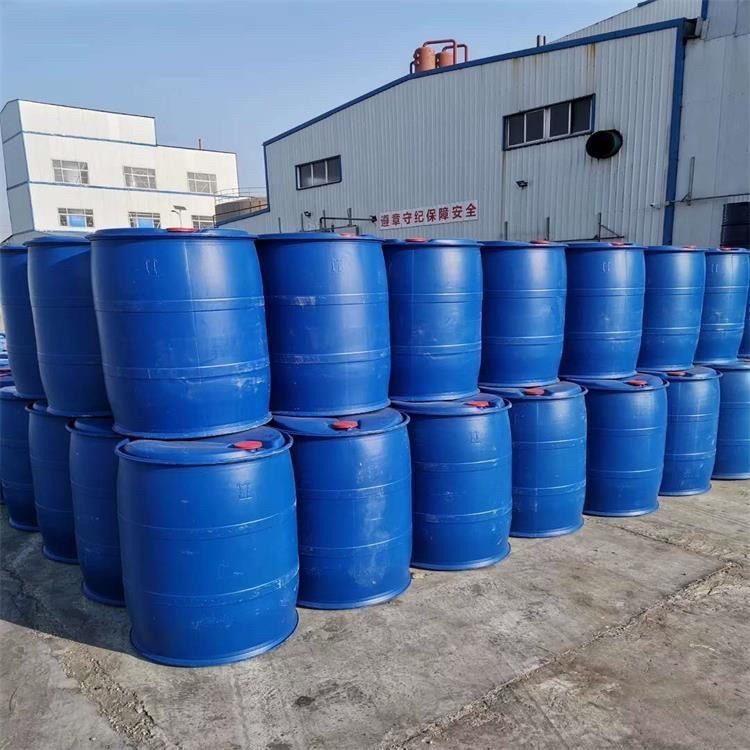
Petrochemicals are chemical compounds derived from natural gas and petroleum, forming the backbone of countless everyday products. They are essential for creating materials we rely on in our daily lives, from packaging to personal care items. These chemicals include olefins like ethylene and propylene, which are widely used in manufacturing plastics, synthetic rubbers, and fibers. Aromatics, such as benzene, toluene, and xylene, play an essential role in producing items like detergents, paints, adhesives, and coatings.
Petrochemicals are indispensable to several industries, driving innovation and economic growth across sectors. In agriculture, they are used to create fertilizers, herbicides, and pesticides that help boost crop yields and protect against pests. Without petrochemicals, modern farming would struggle to keep up with the growing food demand.
In the healthcare industry, petrochemicals are critical for producing medicines, medical devices, and packaging materials. Pharmaceuticals like aspirin and insulin, along with sterile medical supplies, all rely on petrochemical products for their creation.
In manufacturing, petrochemicals are found in everything from automobiles and electronics to clothing and construction materials. Materials like polyester, nylon, and acrylic fibers are made from petrochemicals and are used in textiles and garments that are essential to our wardrobes. Many packaging materials, such as plastic bottles and containers, are made from petrochemical-derived plastics.
Furthermore, petrochemicals enable the production of electronics components, such as semiconductors, and help manufacture the devices we rely on daily, like phones, computers, and TVs. Packaging materials, essential for transporting and protecting goods, are also largely made from petrochemicals.
These chemicals are the building blocks for the items we use, making them essential to modern life. They ensure that industries can produce high-quality, durable goods, and they support a variety of sectors in providing essential products to consumers worldwide.
Petrochemicals are made through a series of steps that start with raw materials like petroleum and natural gas. These materials go through various processes to create useful products.
The main steps in producing petrochemicals include:
Distillation: This is the process where hydrocarbons are separated based on their boiling points. It creates different components from petroleum.
Cracking: Large hydrocarbons are broken down into smaller compounds like ethylene and propylene. These are key ingredients in plastics and synthetic rubber.
Reforming: Naphtha, a byproduct of distillation, is transformed into valuable petrochemicals through a process called reforming. This creates products used in everything from fuels to chemicals.
Petrochemicals are used to make many everyday items. These chemicals are essential in various industries, from packaging to medicine.
Some common products made from petrochemicals include:
Plastics: Materials like polyethylene and polystyrene are widely used in packaging, containers, and household items.
Synthetic Fibers: Petrochemicals are key in producing textiles such as polyester and nylon, used in clothing and furnishings.
Fertilizers: In agriculture, petrochemical derivatives help create fertilizers that support crop growth and food production.
Pharmaceuticals: Many medications and medical products, like syringes and IV bags, rely on petrochemicals for their production.
In the petrochemical industry, specific chemicals are used to enhance the quality and efficiency of production. Two such key petrochemicals are Anti-Sloughing Agent and Emulsified Paraffin.
Anti-Sloughing Agent: These agents help prevent the detachment, or "sloughing," of material during manufacturing. This ensures a smoother production process, resulting in better-quality products and higher efficiency.
Emulsified Paraffin: Used in a wide range of products, including plastics and coatings, emulsified paraffin improves material consistency. It ensures that the materials are evenly distributed and enhances the final product’s quality.
These petrochemicals are vital for producing reliable, high-quality materials across multiple industries.
Petrochemicals are everywhere, impacting our daily lives in ways we might not even realize. From the products we use to the food we eat, petrochemicals play a vital role.
Consumer Goods: Many everyday items, like packaging, personal care products, and household goods, are made with petrochemicals. They help improve functionality and durability.
Automotive and Electronics: Petrochemicals are essential in manufacturing car parts, electronics, and devices like phones and computers. They are used in plastics, coatings, and batteries.
Agriculture and Medicine: In agriculture, petrochemicals help create fertilizers and pesticides. In medicine, they are used to make pharmaceuticals, medical devices, and packaging.
Petrochemicals are critical for supporting various industries and driving economic growth. They play a major role in a wide range of sectors, making them essential to modern society and technological advancement. Without petrochemicals, many industries would not function at the scale they do today.
Fuel Economic Development: Petrochemicals are vital for industries like construction, manufacturing, and healthcare. They help produce everything from building materials such as PVC and synthetic fibers to essential medical equipment like syringes and surgical instruments. These products not only drive economic growth but also contribute to improved quality of life.
Support Renewable Energy: Some petrochemicals are also key in renewable energy technologies. Materials like certain plastics and coatings are used in solar panels, wind turbines, and energy-efficient buildings. These petrochemical-derived products help increase the efficiency, longevity, and cost-effectiveness of green energy solutions, pushing the world toward more sustainable energy use.
The petrochemical industry is evolving, with several key trends shaping its future.
Sustainability: New innovations in green petrochemicals and bio-based alternatives are transforming the industry. These sustainable options help reduce reliance on fossil fuels and lower carbon footprints.
Emerging Markets: Demand for petrochemicals is rapidly growing in regions like Asia, Latin America, and the Middle East. These markets are expanding production and consumption, driving global industry growth.
Environmental Impact: As regulatory pressures increase, the petrochemical industry is focusing on improving efficiency and minimizing its environmental impact. New technologies are being developed to reduce emissions and waste.
These trends are setting the stage for a more sustainable and efficient petrochemical industry.
Petrochemicals play a crucial role in modern society, enabling the production of essential products. As demand for these chemicals grows, the industry must innovate to address both economic and environmental challenges. New technologies and sustainable practices will shape the future of petrochemicals, ensuring their continued importance across industries.
A: Petrochemicals are chemical compounds derived from petroleum and natural gas. They are essential for producing a wide range of products, including plastics, pharmaceuticals, fertilizers, and clothing fibers.
A: Petrochemicals are produced through processes like distillation, cracking, and reforming. These steps break down raw materials like petroleum and natural gas into valuable chemicals used in manufacturing products.
A: Petrochemicals are vital for industries like agriculture, healthcare, and manufacturing. They are used in fertilizers, medical devices, plastics, and many other essential products we rely on daily.
A: Some petrochemicals are used in the production of renewable energy technologies like solar panels and wind turbines. They also enable the creation of energy-efficient products, helping reduce overall environmental impact.

