
Views: 169 Author: Site Editor Publish Time: 2025-09-05 Origin: Site


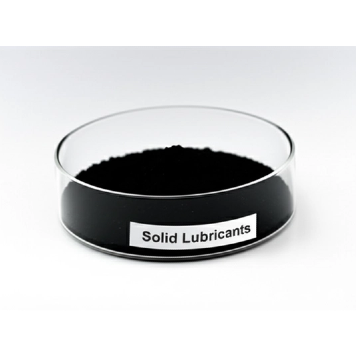
Solid lubricants have become a vital component in numerous industrial sectors due to their unique ability to reduce friction and wear under extreme conditions where traditional fluid lubricants fail. Unlike oils and greases, solid lubricants provide long-lasting, maintenance-free lubrication in environments characterized by high temperature, vacuum, heavy load, and chemical aggressiveness. Their solid-state nature allows them to maintain a consistent lubricating film without the risk of leakage, evaporation, or contamination, making them indispensable in applications ranging from aerospace and automotive to electronics and medical devices. Furthermore, their durability and stability significantly extend equipment lifespan and reduce downtime, ultimately improving operational efficiency and cost-effectiveness.
Aerospace engineering demands materials and components that can withstand severe operational stresses, including extreme temperatures, high vacuum, radiation, and significant mechanical loads. Conventional oil-based lubricants often fail in such conditions due to evaporation in vacuum, thermal degradation at high temperatures, and susceptibility to radiation damage.
Solid lubricants, particularly molybdenum disulfide (MoS₂), graphite, and diamond-like carbon (DLC) coatings, are widely used in aerospace for their stability and performance under extreme environments. They do not evaporate in vacuum and maintain their lubricity at temperatures exceeding those tolerable by oils. Additionally, many solid lubricants are inherently resistant to radiation damage, which is crucial for long-duration space missions.
Satellite Mechanisms: Reaction wheels, actuators, and bearings in satellites utilize solid lubricants to ensure reliable operation in the vacuum of space. Their long lifespan and minimal maintenance requirements reduce mission risks.
Aircraft Components: High-temperature turbine engines and landing gear assemblies benefit from solid lubricant coatings to minimize friction and wear during takeoff and landing cycles, enhancing safety and component life.
Space Exploration Rovers: Rovers and robotic arms operating on other planets use solid lubricants to endure abrasive dust, low temperatures, and vacuum conditions. These lubricants enable mobility and function in extreme environments inaccessible to humans.
The use of solid lubricants reduces maintenance frequency and improves reliability—critical factors for aerospace missions where repairs are impractical. Additionally, these lubricants help reduce weight by eliminating heavy lubricant reservoirs and circulation systems, contributing to overall fuel efficiency and payload optimization.
Automotive and heavy machinery industries involve components exposed to high loads, fluctuating temperatures, dirt, and contamination. Bearings, gears, and joints require reliable lubrication to ensure longevity and performance.
Engine Components: Solid lubricants like graphite and PTFE additives reduce wear in piston rings and valve guides, improving fuel efficiency and reducing emissions by ensuring smoother operation.
Transmission Systems: Heavy-duty gearboxes utilize solid lubricant coatings to withstand high pressure and prevent scuffing during start-stop cycles, enhancing durability under tough driving conditions.
Suspension and Steering: Components exposed to dirt and moisture benefit from solid lubrication to prevent corrosion and reduce maintenance, enhancing vehicle safety and longevity.
Construction equipment, mining machinery, and agricultural tools operate in harsh environments where dust, water, and high mechanical stresses prevail. Solid lubricants provide:
Extended Component Life: By reducing friction and wear on joints and bearings, solid lubricants help machines withstand heavy usage over time.
Maintenance Reduction: Solid lubricants minimize the need for frequent re-lubrication, lowering downtime and operational costs.
Environmental Resistance: Protection against corrosive soils, moisture, and extreme weather ensures reliable performance in diverse outdoor conditions.
In automotive and heavy machinery, solid lubricants reduce oil leakage risks and contamination. They maintain performance in cold starts and under heavy loads where oil films might break down, making them invaluable for improving machine reliability. Additionally, solid lubricants help reduce environmental pollution by minimizing oil disposal.
The electronics and semiconductor industries demand ultra-clean environments with minimal particulate contamination. Even microscopic particles or lubricant vapors can damage delicate microelectronic components, causing defects and reducing manufacturing yields. Conventional lubricants pose risks due to outgassing and contamination, which can compromise device performance and reliability.
Solid lubricants such as PTFE and dry-film coatings are ideal for these sensitive environments:
Precision Bearings and Actuators: Provide smooth, consistent motion without oil leakage that could harm delicate components.
Vacuum and Cleanroom Compatibility: Non-volatile, non-contaminating solid films help maintain strict cleanliness standards essential for semiconductor fabrication.
Thermal Stability: Withstand high processing temperatures without chemical breakdown or contamination risks.
Wafer Handling Equipment: Enables precise, contamination-free wafer movement to improve yield and reduce defects.
Robotic Arms and Positioners: Dry lubrication supports clean, reliable automated assembly without particulate generation.
Vacuum Chambers and Tools: Maintain lubrication where oils evaporate, ensuring long-term equipment reliability.
Solid lubricants improve product quality, reduce downtime caused by lubricant failures, and support the precision and cleanliness necessary for semiconductor manufacturing. They extend equipment life and reduce maintenance costs.
Medical devices and cleanroom environments require lubricants that are completely contaminant-free, biocompatible, and able to withstand rigorous sterilization processes such as autoclaving or gamma radiation. Any residual chemicals, vapors, or particulates from traditional lubricants can pose serious risks by compromising patient safety, causing allergic reactions, or contaminating sensitive medical products.
Surgical Instruments: Solid lubricants provide smooth, precise operation for surgical tools without the risk of oil or grease contamination, ensuring safe and effective procedures.
Implantable Devices: In devices like joint replacements or cardiovascular implants, solid lubricants reduce friction and wear while meeting stringent biocompatibility standards essential for long-term implantation.
Diagnostic Equipment: Imaging and scanning devices benefit from maintenance-free, precise lubrication that preserves device accuracy and reliability without introducing contaminants.
Eliminate Contamination Risks: Solid lubricants do not leak or release vapors, protecting ultra-sterile pharmaceutical and biotech cleanrooms from contamination risks that could compromise drug purity or biological assays.
Sterilization Resistance: These lubricants maintain their integrity and lubrication properties through repeated high-temperature and chemical sterilization cycles, unlike many fluid lubricants that degrade.
Reduced Downtime: Their long-lasting lubrication properties reduce the frequency of maintenance and downtime, which is critical for uninterrupted, high-throughput manufacturing environments.
Solid lubricants comply with stringent FDA, ISO, and other regulatory standards by avoiding toxic, carcinogenic, or allergenic chemicals. They support aseptic manufacturing conditions, improving overall product safety and quality while helping manufacturers meet rigorous regulatory requirements and audits.
Solid lubricants are vital in industries where traditional fluids fall short—especially in high-vacuum, high-temperature, or contamination-sensitive environments like aerospace, electronics, and medical manufacturing. Their chemical stability, non-volatility, and ability to perform under extreme conditions make them an increasingly preferred choice as industrial demands evolve.
For tailored solid lubrication solutions backed by material innovation and technical expertise, Dongying City Dayong Petroleum Additives Co., Ltd. stands out as a reliable partner. Whether you're enhancing equipment reliability or meeting strict environmental standards, Dayong offers advanced products and professional guidance. Visit their website or contact their team to explore customized solutions that meet your performance goals.

