


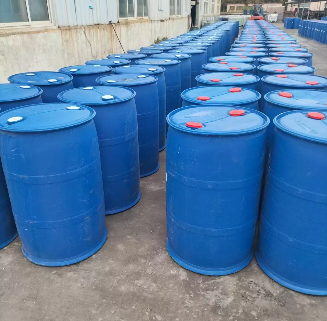
Degreasers are crucial in industries like manufacturing and automotive, helping remove grease, oils, and other contaminants. But did you know some degreasers can be highly flammable? Understanding the flammability of degreasers is essential to ensure safe handling and usage. In this post, we’ll discuss the different types of degreasers, their applications, and the safety risks associated with flammable products.
A degreaser is a cleaning agent designed to remove grease, oil, and other contaminants from surfaces. They play an imortant role in industrial processes like automotive maintenance, manufacturing, and even in everyday household cleaning tasks. Whether it’s preparing surfaces for painting or removing stubborn stains, degreasers help keep machinery and equipment functioning smoothly.
Degreasers come in various types, each suited for different cleaning tasks. Understanding the differences is essential, especially when considering their flammability.
Solvent-based degreasers are typically the most effective at breaking down tough grease and oils. However, they often contain flammable chemicals such as alcohols or hydrocarbon solvents. These degreasers can pose a risk around open flames or hot surfaces, making proper ventilation and careful handling essential.
Water-based degreasers are usually non-flammable and safer to use in environments with high fire risks. They are ideal for less intense cleaning tasks where a powerful solvent isn’t necessary. Although safer, they might not be as effective on heavy-duty grease.
Aerosol degreasers are convenient for spot cleaning and targeting tight spaces. While many are solvent-based, some come with non-flammable formulas. Always check the label for flammability information before use, especially in enclosed areas.
Specialized degreasers are designed for specific applications, such as electronics or precision cleaning. These products can be both solvent-based or water-based, and their flammability varies depending on their chemical composition. Some are engineered to avoid leaving residue, making them perfect for sensitive equipment like circuit boards or motors.
Understanding the type of degreaser you’re using helps minimize safety risks and ensures the right tool for the job.
Flammability is an important consideration when choosing a degreaser, as it affects how safely the product can be used in various environments.
Many degreasers, particularly solvent-based ones, can be highly flammable. These products often contain alcohols, hydrocarbons, or other volatile chemicals. When exposed to open flames, sparks, or high temperatures, these degreasers can catch fire, posing significant safety risks. Common examples of flammable degreasers include certain engine cleaners and industrial degreasers packaged in aerosol cans.
Non-flammable degreasers are formulated to avoid the risks associated with flammability. These are often water-based, which makes them safer in environments prone to ignition sources. Some specially designed degreasers are also non-flammable while still offering powerful cleaning performance. These are usually the go-to option for safer cleaning, especially in high-risk areas like electrical work or around hot machinery.
Several factors determine whether a degreaser is flammable or not:
The flashpoint is the temperature at which a degreaser's vapors can ignite. Products with a low flashpoint are more likely to catch fire. It’s essential to check this on the product's label or Safety Data Sheet (SDS) before use.
The types of chemicals in a degreaser influence its flammability. Solvent-based degreasers often contain flammable compounds, while water-based or specially formulated ones use safer alternatives.
The form in which a degreaser is applied can also affect its flammability. Aerosol cans, due to the propellants used, can be particularly risky around flames, while liquids might pose less of a hazard when applied properly.
Understanding these factors helps ensure safe use and reduces the risks associated with degreasing tasks.
The flammability of degreasers is crucial because it directly impacts safety in both industrial and everyday use. Using the wrong type of degreaser in high-risk settings can lead to dangerous consequences.
Flammable degreasers, typically solvent-based, pose significant hazards:
· Dangers of Sparks, Open Flames, and Heat: Even small sparks from machinery or static electricity can ignite flammable degreasers. Open flames or hot surfaces further increase the risk of combustion.
· Potential for Fires in Industrial and Mechanical Environments: Factories, motor repair shops, and warehouses are prone to flammable material accumulation. If not handled properly, degreasers can easily trigger fires, endangering workers and equipment.
In environments where safety is a concern, non-flammable degreasers are the better choice:
· High-risk Environments: Areas like oil rigs, electronic equipment maintenance, and other sensitive applications require non-flammable degreasers to minimize the risk of ignition.
· Advantages of Non-flammable Degreasers in High-temperature Settings: Non-flammable options are ideal for use around hot machinery or in high-temperature environments. They provide safety while still delivering effective cleaning power.
Choosing the right degreaser based on its flammability can prevent accidents and ensure a safer working environment.
When selecting a degreaser, the most important factor is safety. The right choice can prevent accidents and ensure effective cleaning.
Considerations for Selecting a Degreaser Based on the Work Environment: The type of degreaser you choose should depend on the environment where it will be used. In areas with high heat, sparks, or open flames, non-flammable degreasers are the safest option. In contrast, solvent-based, flammable degreasers should only be used in well-ventilated areas away from ignition sources.
The Importance of Reading the Safety Data Sheet (SDS): Always check the Safety Data Sheet (SDS) before using a degreaser. It provides crucial information about flammability, toxicity, handling, and storage. The SDS will help you understand how to safely use the product in your specific environment.
Flammability ratings help determine the level of risk associated with a degreaser. Understanding these ratings can guide your selection process.
GHS (Globally Harmonized System) Flammability Pictogram and Standards: The GHS system uses a flame pictogram to indicate flammable substances. If a degreaser has this symbol, it means it poses a fire hazard and should be used with caution in environments with potential ignition sources.
NFPA and HMIS Rating Systems Explained:
NFPA (National Fire Protection Association): The NFPA rating system assigns numbers (0 to 4) to indicate the level of flammability, health hazard, and instability of chemicals. A higher number means a greater hazard.
HMIS (Hazardous Materials Identification System): Similar to NFPA, HMIS provides a rating for health, flammability, and physical hazards. It's another useful system for assessing the risks associated with a degreaser.
By understanding these systems and reviewing the SDS, you can make an informed decision on which degreaser is best suited for your needs.
There are several myths about degreasers, especially when it comes to their flammability. Understanding the truth behind these misconceptions can help you make safer choices.
Non-flammable means risk-free: Many people believe that non-flammable degreasers are completely safe, but that’s not always the case. While these products are less likely to ignite, they can still pose other risks, such as toxicity or environmental harm. Always check the full product specifications and Safety Data Sheet (SDS) for a complete understanding of its safety profile.
Water-based degreasers are always safer: Just because a degreaser is water-based doesn't mean it's entirely safe. Some water-based products contain hazardous chemicals that can still cause harm if not handled properly. Non-flammable does not equal non-toxic, so it’s important to be cautious.
Proper handling and storage: Flammable degreasers are commonly used in industrial and home settings. When used correctly, they can be safe. For example, in homes, aerosol degreasers are often used in well-ventilated areas and stored away from heat sources or open flames. In industries, strict protocols, like using degreasers in controlled environments and with safety gear, make their use safer.
Flammable doesn’t mean unsafe: Flammable degreasers can be used safely as long as proper precautions are taken. They should be applied in areas free from open flames or hot surfaces, and users should wear protective gear to avoid skin or eye contact. Proper ventilation is key to preventing inhalation of harmful fumes.
By addressing these misconceptions, you can make better choices when using degreasers in any environment.
Using degreasers, especially flammable ones, requires attention to safety. Following the best practices can help minimize risks and ensure safe handling.
Proper Ventilation: Always work in a well-ventilated area. This is crucial, particularly when using flammable degreasers, as fumes can be harmful or lead to ignition.
Keep Degreasers Away from Ignition Sources: Always store degreasers away from open flames, sparks, or any heat sources. This applies to both industrial and home settings. Flammable degreasers should never be used near ovens, hot surfaces, or electrical equipment.
Correct Storage and Disposal Methods: Store degreasers in their original containers and in cool, dry places. Be sure to follow the instructions on the product label for disposal. Many degreasers contain chemicals that can harm the environment, so it's vital to dispose of them in a safe and environmentally-friendly manner.
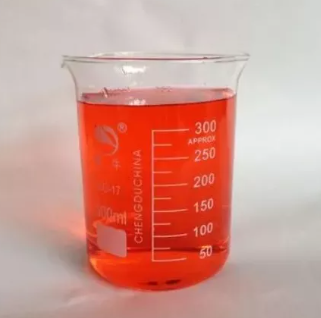
Contain the Spill: If you spill a degreaser, act quickly. Use absorbent materials like sand or specialized absorbent pads to contain the spill. Avoid using materials that could spread the spill or cause a fire risk.
Use the Right Fire Extinguisher: For flammable degreasers, ensure you have the correct type of fire extinguisher nearby. A Class B extinguisher is typically recommended for flammable liquid fires.
Evacuate if Necessary: In case of a large spill or fire, evacuate the area and call emergency services. Ensure all personnel are trained on how to respond to hazardous chemical spills.
Following these guidelines can help you safely use degreasers, reducing the risk of accidents and ensuring a safer work environment.
Understanding the flammability of degreasers is essential for safe usage. Always choose the right degreaser based on your specific job and safety needs. Flammable degreasers require extra caution, while non-flammable options offer safer alternatives in certain environments. Always consult product labels and Safety Data Sheets to ensure proper handling and safety.
A: Check the label for flammability ratings and review the Safety Data Sheet (SDS) for flashpoint and hazard warnings.
A: No, always shut off power and ensure proper ventilation when using flammable degreasers near electrical systems.
A: Water-based degreasers are often safer for sensitive materials, but testing is recommended before full exposure.
A: The flashpoint indicates the temperature at which a degreaser's vapors can ignite. A low flashpoint means higher flammability risk.

