


Do you know if your degreaser is flammable? Many industries rely on degreasers for cleaning and maintenance, but not all are safe to use in every situation.
In this post, we’ll explore the risks associated with flammable degreasers, how to identify them, and why understanding their properties is crucial for safety. You’ll learn how to make the right choice and ensure safe usage in your workplace or home.
A degreaser is a cleaning product designed to remove oils, grease, and other contaminants from surfaces. Its main function is to quickly eliminate dirt and residues without the need for excessive scrubbing.
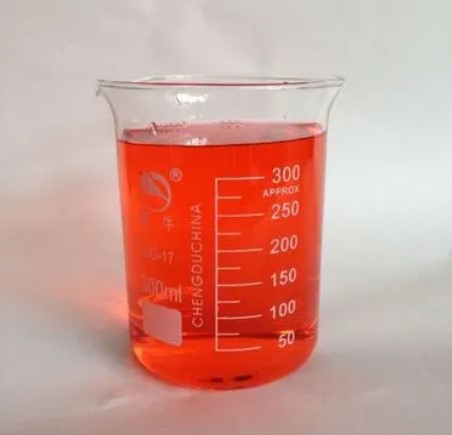
Degreasers are widely used across many industries, including:
Automotive repair: For cleaning engine parts and removing grease.
Manufacturing: To clean machinery, tools, and equipment.
Electronics: Used to clean sensitive components without damaging them.
Degreasers come in various forms, each suited for different applications:
Water-based degreasers: These are safer for the environment and often used for everyday cleaning tasks.
Solvent-based degreasers: Known for their powerful cleaning action, they are effective but can be flammable.
Aerosol degreasers: Convenient spray cans for quick, targeted cleaning, often used in smaller applications.
Heavy-duty degreasers: These are used for tough jobs, like cleaning industrial equipment, and tend to be stronger but more hazardous.
Each type has its benefits and specific use cases, depending on the level of contamination and surface being cleaned.
Flammability refers to how easily a substance can catch fire. For degreasers, this means how likely they are to ignite when exposed to heat, sparks, or open flames. Some degreasers are more prone to catching fire than others, depending on their chemical composition.
Certain degreasers contain chemicals like alcohols, hydrocarbons, or petroleum-based solvents. These ingredients make them highly flammable. For example:
Alcohol-based degreasers: Often used for cleaning, these are highly flammable.
Hydrocarbon-based degreasers: Common in industrial settings, these solvents are flammable and need careful handling.
Some degreasers are designed to be safer in environments with high heat or open flames. These are usually:
Water-based degreasers: They are less flammable and environmentally friendly.
High flashpoint solvents: These degreasers have a higher ignition point, reducing the risk of fire.
Degreasers are often rated for flammability, so you can easily understand the risks:
GHS (Global Harmonized System): This system uses a pictogram to show the flammability level.
NFPA (National Fire Protection Association): Rates flammability on a scale from 0 to 4, with 0 being non-flammable and 4 being extremely flammable.
When choosing a degreaser, the label is your first clue about its flammability. Look for keywords such as:
Flammable: Indicates a high risk of ignition.
Nonflammable: A safer option, often water-based.
High flashpoint: Means the degreaser is less likely to catch fire at normal temperatures.
These terms help you identify how dangerous the product might be in your work environment.
Labels often use visual symbols to indicate flammability. The GHS (Global Harmonized System) uses a flame pictogram to show that a product is flammable. The NFPA (National Fire Protection Association) uses a number scale from 0 to 4, where 0 means nonflammable and 4 means highly flammable. Keep an eye out for these symbols to assess the risk.
To determine flammability, check the ingredients. If the degreaser contains:
Oil-based or solvent-based chemicals (e.g., hydrocarbons or alcohols), it is likely flammable.
Water or high flashpoint solvents, it’s probably nonflammable. Knowing whether a degreaser is oil-based or water-based can help you understand its safety profile.
Flammable degreasers can catch fire when exposed to heat, sparks, or open flames. Even a small spark or a hot surface can ignite these chemicals, causing dangerous fires in workplaces. Always use them in well-ventilated areas, away from sources of ignition.
Exposure to flammable degreasers, especially those with chemicals like n-propyl bromide or trichloroethylene, can lead to serious health issues. These substances can cause headaches, dizziness, skin irritation, or even long-term damage to organs. In some cases, they are linked to reproductive issues or cancer.
Flammable degreasers can harm the environment if improperly disposed of. Spills or leaks can contaminate water sources and soil. Many of these chemicals, when disposed of inappropriately, can contribute to air pollution or the depletion of the ozone layer, making it essential to handle them with care.
Ensure proper ventilation when using flammable degreasers to prevent the buildup of dangerous fumes. Always wear the appropriate Personal Protective Equipment (PPE), including gloves, goggles, and respirators. Store degreasers away from heat sources, flames, and electrical equipment to avoid accidental ignition.
For safer cleaning, consider switching to non-flammable alternatives like water-based degreasers. These are less risky and environmentally friendly, making them ideal for daily use in areas where fire hazards are a concern.
When using flammable degreasers in industrial or household settings, take extra care. Avoid using them near open flames or hot surfaces. Keep containers tightly closed when not in use and never leave them unattended in high-risk areas.
Dispose of flammable degreasers according to local safety regulations. Never pour them down the drain or into the trash. Use designated containers for waste, and take them to a certified disposal facility to avoid contamination and environmental harm.
Type of Contaminants: Choose a degreaser based on what you're cleaning. For oil and grease, solvent-based cleaners are most effective. For dirt and general debris, water-based cleaners are a good choice.
Surface Compatibility: Different surfaces require different degreasers. Metal surfaces can handle stronger, solvent-based degreasers, while plastic and rubber may require gentler, water-based options to avoid damage.
Flammability, Toxicity, and Environmental Impact: Consider how safe the degreaser is. Flammable degreasers can pose risks, so evaluate the toxicity and environmental impact of the chemicals it contains. Choose non-flammable or eco-friendly alternatives when possible.
When to Choose Flammable: If you're cleaning in areas away from heat or sparks and need strong cleaning power, flammable degreasers work well.
When to Choose Non-flammable: In areas where safety is a priority (e.g., near open flames or electrical equipment), non-flammable or water-based degreasers are the safer option.
Not all degreasers are flammable. Many water-based and high flashpoint degreasers are designed to be safer in environments where flammability is a concern. It's important to check the label for flammability ratings and ingredient lists before assuming a degreaser is flammable.
While non-flammable degreasers are safer in high-risk environments, they may not always be the best choice for heavy-duty cleaning. Some non-flammable cleaners contain toxic chemicals or require more handling precautions. Always check the safety data sheet (SDS) for toxicity and environmental concerns.
A high flashpoint means a degreaser is less likely to catch fire at normal temperatures, but it doesn’t eliminate the risk entirely. Proper storage and handling are still necessary. Even high flashpoint solvents can ignite if exposed to extreme conditions, so always follow recommended safety practices.
Some degreasers are flammable, while others are non-flammable. It's crucial to check labels carefully. Understanding the risks of flammable degreasers helps you make safe choices. Always follow safety guidelines to avoid hazards and use degreasers responsibly in your workplace or home. At our factory, we offer high-quality, non-flammable degreasers that are safe and effective for all industrial needs.
A: No, not all degreasers are flammable. Some, like water-based or high flashpoint degreasers, are safer and less likely to catch fire.
A: Check the label for keywords like "flammable," "nonflammable," or "high flashpoint." Also, look for flammability symbols like the GHS flame pictogram.
A: Flammable degreasers can cause fire hazards, health issues (like skin irritation or respiratory problems), and environmental damage if improperly disposed of.
A: Non-flammable degreasers are safer in high-risk areas but may still contain toxic chemicals or require special handling precautions.

